How to Compare New and Used Car Loans
When you’re in the market for a car, one of the first decisions is whether to buy new or used. That choice affects not just the purchase price but also the financing terms you’ll be offered. New car loans typically come with lower interest rates because the collateral—the new car—has a more predictable value. Used car loans, on the other hand, tend to carry higher rates because the car’s value is harder to estimate and there’s a greater chance of mechanical issues, making the loan riskier for lenders.
Use this guide to evaluate the key differences—interest rates, fees, loan tenure, down payment, depreciation, and ownership costs—so you can choose the financing that fits your budget and long-term plans.
Sources: Equifax, Consumer Financial Protection Bureau
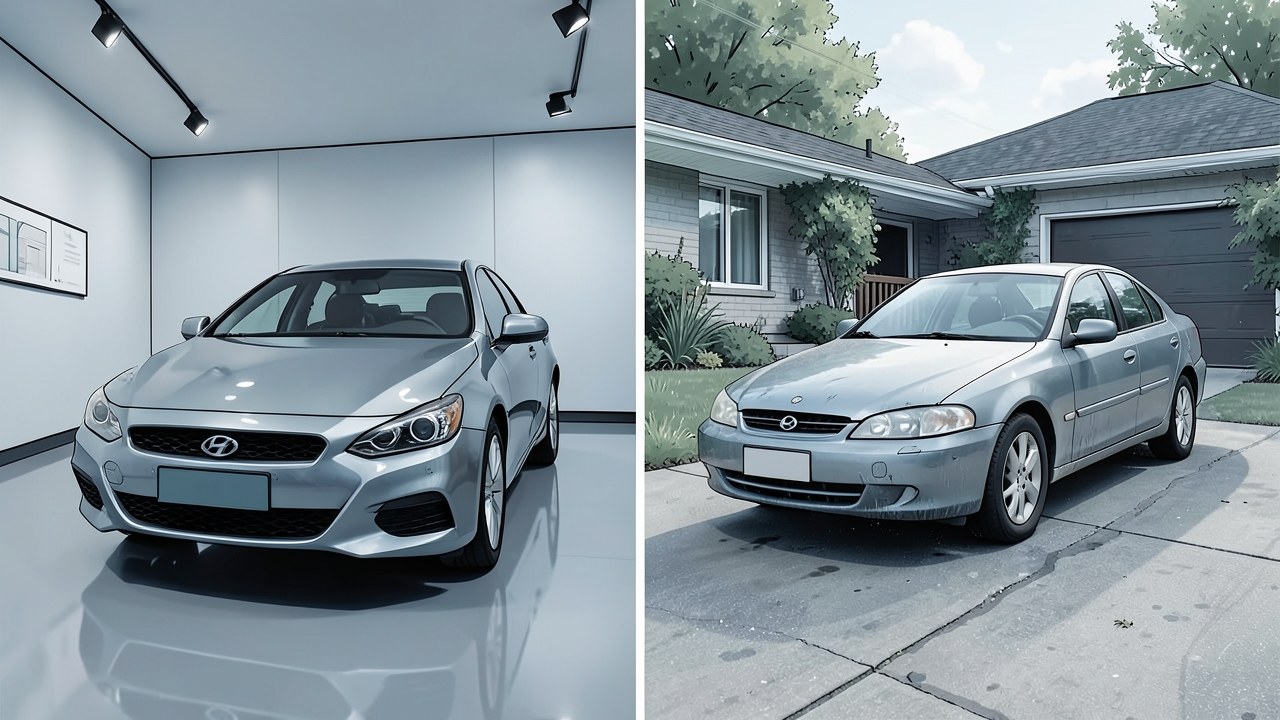
Interest Rates: New vs Used Car Loans
Interest rates are the most significant factor in the cost of a car loan. New car loans typically have lower interest rates than used car loans. This is because the value of a new car is higher and easier to predict, reducing the lender’s risk. Used cars, by contrast, depreciate unpredictably and may need repairs, so lenders charge higher rates to compensate.
The table below shows average annual percentage rates (APRs) for new and used car loans by credit tier in the United States, based on Experian data reported by NerdWallet and Bankrate. These figures give you a baseline, but your actual rate will depend on your credit score, the lender, and the car’s age and condition.
| Credit Tier (FICO Score) | New Car APR | Used Car APR |
|---|---|---|
| Superprime (781-850) | 4.55% - 4.88% | 6.30% - 7.43% |
| Prime (661-780) | 6.23% - 6.51% | 8.77% - 9.65% |
| Nonprime (601-660) | 9.67% - 9.77% | 14.03% - 14.11% |
| Subprime (501-600) | 13.34% - 13.44% | 19.00% - 19.42% |
| Deep subprime (300-500) | 15.85% - 16.01% | 21.60% - 21.77% |
Sources: NerdWallet, Bankrate
Fees: What to Watch For
- Ask for a full breakdown of fees from each lender.
- Compare the total cost of the loan, including all fees, not just the interest rate or monthly payment.
- Check if there are any penalties for paying off the loan early.
Sources: Consumer Financial Protection Bureau
Down Payment Expectations
Loan-to-value (LTV) is the ratio of the loan amount to the car’s value. Lenders offer higher LTVs for new cars because the value is more stable. In India, for example, new car loans can cover up to 90% of the ex-showroom price or 80–85% of the on-road price, while used car loans are based on the current market valuation, often close to the purchase price and including insurance and registration.
A higher LTV means a lower down payment, but it also means a larger loan amount and more interest over time. For used cars, the down payment is based on the market value, so you may need to negotiate or save for a larger down payment if the car is overpriced.
Sources: Butterfly Fintech
Loan Tenure: How Long Do You Have to Pay?
Loan tenure—the length of the loan—affects both your monthly payment and total interest. Used cars are generally cheaper and have smaller principal amounts, so lenders often offer shorter loan terms. In India, new car loans can stretch up to 7 years, while used car loans are typically limited to 5–6 years.
A longer term lowers your monthly payment, but you’ll pay more interest overall. A shorter term costs more per month but saves you money in interest. When comparing offers, use a car loan EMI calculator to see how different tenures affect your budget and total cost.
Sources: Butterfly Fintech, Consumer Financial Protection Bureau
Impact on EMI and Total Interest Paid
The EMI (equated monthly installment) you pay is determined by the loan amount, interest rate, and tenure. A higher interest rate, larger loan amount, or longer tenure will increase the total interest paid, while a shorter tenure will decrease total interest but increase the monthly payment.
This shows how a longer term reduces the monthly payment but nearly doubles the total interest paid.
When comparing new and used car loans, the key differences in interest rates and tenures will affect your EMI and total interest. A used car loan might have a smaller principal but a higher rate, while a new car loan might have a lower rate but a larger principal. Use an EMI calculator to see the impact of different rates, tenures, and down payments on your monthly payment and total interest.
Sources: Consumer Financial Protection Bureau
Depreciation and Resale Value Considerations
Depreciation is the biggest hidden cost of owning a car. New cars typically lose 20–30% of their value in the first year. Used cars have already absorbed that steep drop, so they lose value more slowly. This means a used car may retain more of its value relative to its purchase price, but you also won’t get the newest features or the full warranty.
If you plan to keep the car for a long time, a new car’s higher upfront cost may be offset by its longer useful life and lower maintenance needs. If you tend to trade cars frequently, a used car may be the wiser choice because you avoid the steepest depreciation.
Sources: Equifax, CarPaymentCalculator.net
Warranty, Insurance, and Maintenance Costs
Ownership costs go beyond the loan payment. New cars come with manufacturer warranties that cover repairs for the first several years, reducing unexpected repair costs. Used cars, unless certified, often have limited or no warranty coverage, so you may face out-of-pocket repair bills.
Insurance is another factor: used cars generally cost less to insure than new ones because they are cheaper to replace. Maintenance costs can also differ—new cars may require minimal upkeep early on, while used cars might need more frequent repairs.
When comparing, factor in these costs over the expected ownership period. A seemingly affordable used car could become more expensive if major repairs arise.
Sources: Equifax, Butterfly Fintech
Which Option Suits Different Buyer Profiles?
There’s no universal answer—it depends on your financial situation and priorities.
A new car loan is often better if you:
A used car loan might be the right choice if you:
- Want lower interest rates and predictable warranty coverage.
- Plan to keep the car for many years and care about having the latest safety features.
- Can afford a higher monthly payment or a longer loan term without overextending your budget.
- Need a smaller loan principal and shorter loan term to minimize total interest.
- Are comfortable with a higher interest rate in exchange for lower upfront costs.
- Don’t mind forgoing a full warranty and are prepared for potential maintenance expenses.
- Want to avoid the steepest depreciation that hits new cars in the first year.
Sources: Equifax, Butterfly Fintech
Side-by-Side Comparison: New vs Used Car Loans
This table summarizes the key differences across loan categories. Use it as a decision-making checklist.
| Category | New Car Loan | Used Car Loan |
|---|---|---|
| Interest rate | Lower | Higher (often 1–3 percentage points more) |
| Loan-to-value (LTV) | Up to 90% of ex-showroom price (India) | Based on current market value (India) |
| Loan tenure | Up to 7 years (India) | Up to 5–6 years (India) |
| Depreciation | 20–30% in first year | Slower value decline after initial drop |
| Warranty | Manufacturer warranty for several years | Limited or none unless certified |
| Insurance cost | Higher | Lower |
Sources: Equifax, Butterfly Fintech, CarPaymentCalculator.net
Decision-Making Checklist
Before you choose, work through this checklist to compare loan offers and ownership costs.
- Compare interest rates for the same loan amount and tenure—use the average APR table above as a baseline.
- Check the LTV and down payment required for the car you want; calculate how much you can put down.
- Consider loan tenure: a longer term lowers monthly payments but increases total interest.
- Factor in depreciation: a new car loses value quickly, while a used car holds value better.
- Estimate warranty and repair costs—new cars have warranties, used cars may not.
- Get insurance quotes for both options; used cars generally cost less to insure.
- Use a car loan EMI calculator to see how different rates, tenures, and principal amounts affect your monthly payment and total interest.
Sources: Consumer Financial Protection Bureau, Equifax, Butterfly Fintech
Frequently asked questions
Are interest rates always higher for used cars?
Generally, yes. Lenders see used cars as riskier because their value is harder to predict and they may require more repairs. As a result, used car loans typically have higher interest rates than new car loans, often by 1 to 3 percentage points. However, your specific rate depends on your credit score and the lender, so always compare offers.
Sources: Equifax, Butterfly FintechWhat is the maximum loan-to-value ratio for used cars?
Used car LTV is based on the current market value of the vehicle, not the asking price. In India, lenders may fund up to the purchase price, including insurance and registration, but the exact amount varies by lender. Since used cars have less predictable value, LTVs are often lower than for new cars, meaning you may need a larger down payment.
Sources: Butterfly FintechDo used cars have shorter loan terms?
Yes, because used cars have smaller principal amounts, lenders often offer shorter loan terms. In India, used car loans typically come with maximum tenures of 5–6 years, while new car loans can go up to 7 years. Shorter terms mean higher monthly payments but less total interest paid.
Sources: Butterfly FintechIs it better to buy a new car if I plan to keep it long-term?
It can be, if you value warranty coverage and lower interest rates. New car loans typically have lower rates, and the manufacturer warranty covers repairs for several years. However, new cars depreciate 20–30% in the first year, so a used car that’s a few years old may offer better value if you’re willing to accept a higher interest rate and no warranty. Consider the total cost of ownership, including loan interest, insurance, and maintenance, to make the best choice.
Sources: Equifax, Butterfly Fintech, CarPaymentCalculator.netSources
- How do I compare auto loan offers? — Consumer Financial Protection Bureau
- What things can I negotiate when shopping for a car or auto loan? — Consumer Financial Protection Bureau
- Comparing Auto Loans: New Car Loans vs Used Car Loans — Equifax
- Auto Loan Calculator: Estimate Your Car Payment — NerdWallet
- Auto Loan Calculator | Bankrate — Bankrate
- New Car Loan vs Used Car Loan: Which is Better? - ButterflyFintech — Butterfly Fintech
- Car Loan Term Comparions Payment Calculator — CarPaymentCalculator.net